

Interior Design

The Interior Design program follows Council for Interior Design Accreditation (CIDA) standards to cultivate versatile talents with sustainable design concepts, cross-cultural perspectives, and innovative capabilities. The curriculum covers building lighting, materials, digital representation, and other core areas, using a studio-based approach to develop comprehensive skills from conceptual design to construction. Through active participation in urban renewal and cultural preservation projects, plus industry collaboration and European study tours, students gain strong practical experience. Graduates pursue professional design and management roles in architectural decoration, space planning, and residential design, or cross into product and architectural design. Many graduates continue their studies at leading art and design institutions such as University of the Arts London, Royal College of Art, and Università luav di Venezia.


Program Objectives

This program aims to cultivate versatile design talents with sustainable environmental design concepts, a systematic understanding of environmental design, cross-cultural communication skills, and innovative practical abilities. Through coursework and studio practice, students explore various aspects of architectural environment design under faculty guidance, clarify their future development directions, and integrate design theory and practical skills to solve complex design problems. Students will learn to use materials, light, and space to achieve functional and aesthetic integration, master international design industry standards, possess a global perspective, focus on social and environmental sustainability, assume the social responsibility of designers, and develop teamwork and project management skills.


Graduate Destinations

Graduates pursue further studies at institutions such as University of the Arts London, Royal College of Art, Università Iuav di Venezia, Xi’an Jiaotong-Liverpool University, Savannah College of Art and Design, and more. 


Program Features

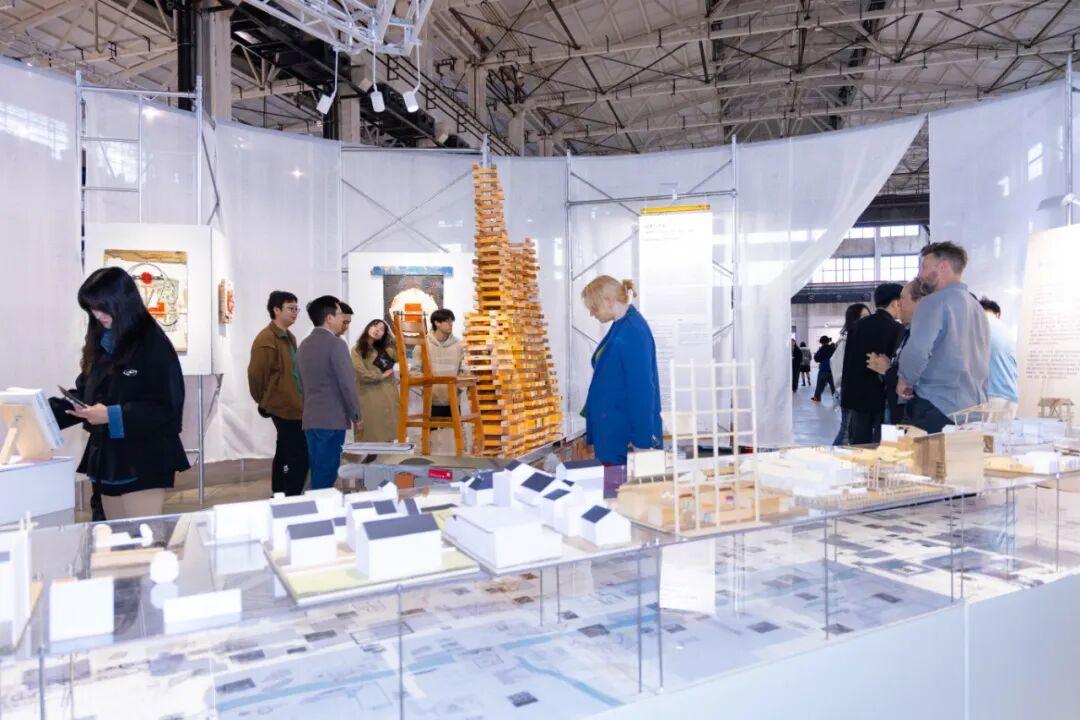
The program offers extensive opportunities for overseas exchange and industry collaboration. Summer semesters include travel-learn and study tours in Europe (Italy, Greece, France). School-enterprise internship projects provide students with real-world project experience. Faculty actively guide students in social practice and research, involving them in urban renewal, cultural preservation, and other case studies. This program adopts an English-language small-class teaching model (15 students per class), with a studio-based curriculum emphasizing project-based design learning, integrating theory with practice, and encouraging exploratory learning. GHK Hall, the dedicated building of the College of Architecture and Design, spans over 15,000 square meters, which provides comprehensive facilities for interior design teaching, including design studios, model-making and materials workshops, and Pin-up rooms. 


Graduation Requirement

Overall GPA above 2.0
Major GPA above 3.0

Program Faculty

Career Prospects

Graduates of Interior Design, equipped with strong professional skills and a broad skill set, can engage in professional design, project management, and education in fields such as architectural decoration, space planning, residential design, and design consulting, becoming high-caliber, versatile professionals capable of adapting to new economic trends and the demands of intelligent living. Graduates can also branch into related design fields, such as industrial design and architecture, broadening their career paths and bringing international aesthetic concepts and innovative thinking to various spatial environments and living experiences. 

Core Courses

· Portfolio 

· Materials and Finishes  

· Design + Built Environment 

· Digital Representation 

· Construction Documents 

· Architectural Lighting Design  

· Furniture Design 

· Business Practice